Navigating Mental Health as a New Immigrant in Canada

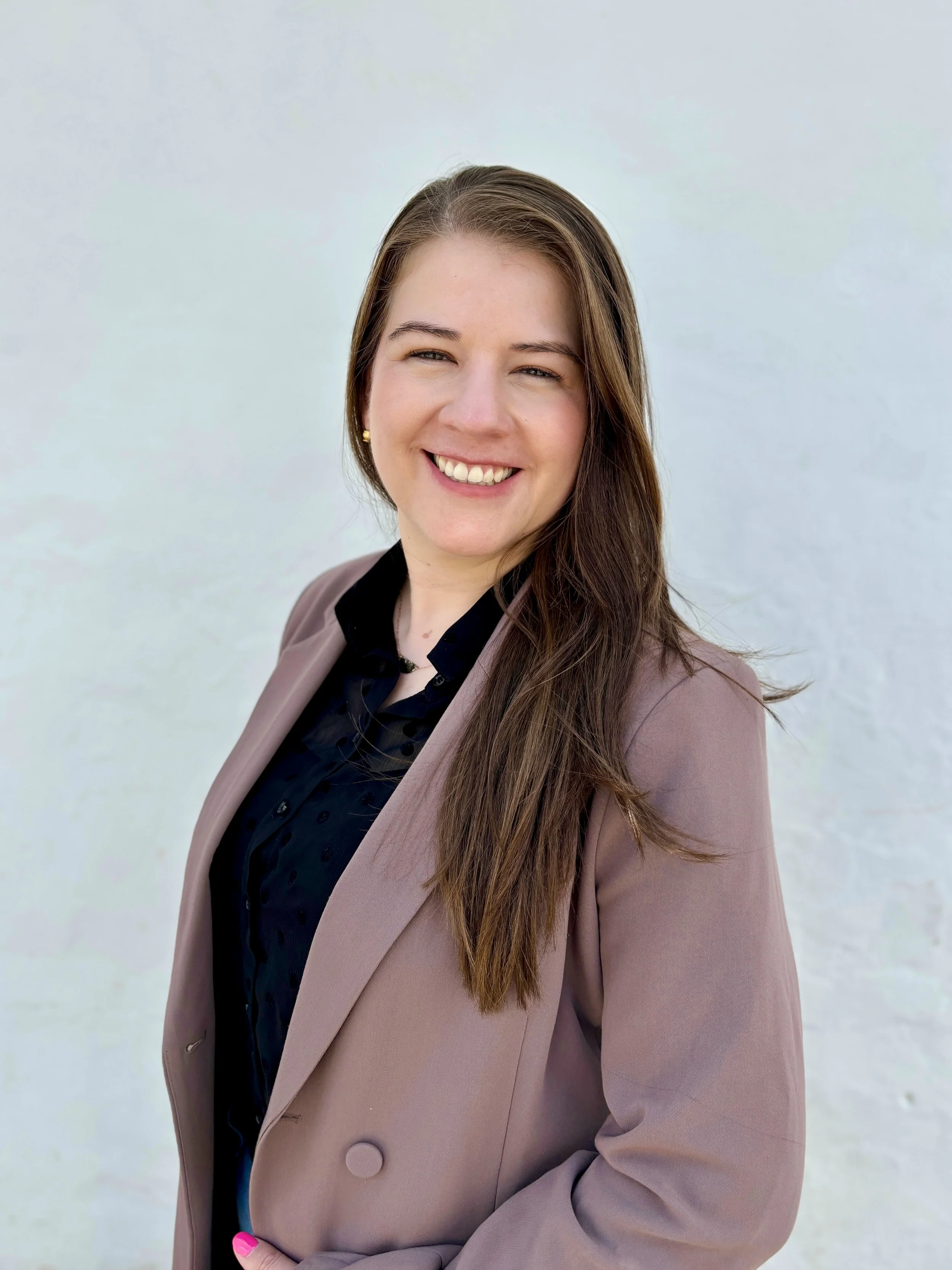
I arrived in Canada in 2002 as a refugee from Bogotá, Colombia. I was fourteen years old. My English was limited, high school started almost immediately, and within a short time I was also helping my family navigate a country none of us fully understood yet — translating documents, making phone calls, figuring things out that no fourteen-year-old should have to figure out alone. And looking after my little sister while doing all of it.
Nobody prepared me for what that would cost. Not just the practical weight of it, but the psychological weight. The loneliness of being the person everyone leaned on before you’d had a chance to find your footing yourself. The strange pressure of growing up faster than your peers, in a language that wasn’t yours yet, in a culture with different rules that nobody handed you a guide to.
It took me years to understand that what I was carrying had a name. That it was real. That needing support wasn’t weakness, it was the completely reasonable response to an unreasonable amount of responsibility, taken on very young, in an unfamiliar place.
I became a counsellor because of that experience. And I work with immigrants and newcomers because I know, in a way that no textbook can teach, what this particular kind of hard feels like.
“I was fourteen, my English was limited, and I was already helping my family navigate a country none of us understood yet. Nobody told me what that would cost.”
What nobody tells you about moving to a new country
The conversation around immigration tends to focus on logistics. Visas, permits, language tests, credential recognition. These things are real and they matter. But they sit on top of a layer of experience that rarely gets talked about — especially in communities where strength and resilience are values, and asking for help can feel like a betrayal of both.
Here are some of the things I hear most often from immigrant clients, things that are completely normal, and that most people are carrying alone:
A persistent sense of not quite belonging, in Canada, but also, when you go back, at home
Grief for people, places, and a version of your life that no longer exists
Exhaustion from constantly translating, not just language, but culture, humour, context, expectation
Guilt about leaving, or guilt about struggling when ‘you chose this’
A gap between how you present on the outside and how you actually feel
Loneliness that’s hard to explain to people who haven’t experienced it
Pressure to be okay, for your family, for the people who supported your move, for yourself
None of these are signs that something is wrong with you. They’re signs that you’re a person who has been through something significant , and that you might benefit from having somewhere to put it.
The specific weight of the Latino immigrant experience
I want to name something that doesn’t get said enough: the Latino community carries particular cultural pressures that make it significantly harder to acknowledge struggling, let alone ask for help.
There’s machismo, the cultural script that says men don’t show vulnerability, don’t cry, don’t need help. But it’s not only men who carry this. Women in Latino families are often expected to be the emotional anchor for everyone around them, to hold things together without showing the cost. Strength is admired. Neediness is not.
There’s the family structure, often deeply loving, also often suffocating in ways that are hard to name without feeling disloyal. The expectation that you handle things within the family, not outside it. That bringing in a therapist is an admission that the family failed. That your problems belong to the family, and the family will solve them, which works until it doesn’t, and until you realise that sometimes the family is part of what needs to be examined.
There’s envy, el mal de ojo, the cultural awareness that success invites scrutiny. That talking about your struggles can be used against you. That being seen as vulnerable makes you a target. This makes it genuinely hard to be honest, even with people close to you.
And there’s ‘el qué dirán’, the weight of what others will think. The fear that going to therapy means something is seriously wrong. That it’s a luxury. That it’s for other kinds of people.
I understand these pressures. I grew up inside them. And I want to offer a different frame: none of these cultural patterns are character flaws. They’re survival strategies that made sense in one context and create costs in another. Therapy is a place to look at them honestly , without shame, and without having to burn your family to the ground to do it.
“El qué dirán. I grew up with that pressure too. Asking for support isn’t weakness, it’s what you do when you’re carrying something real.”
What therapy can offer, and what it can’t
Therapy won’t make the immigration process easier. It won’t resolve your immigration status, find you housing, or make the loneliness disappear.
What it can do is give you a space, in your own language, with someone who understands the specific texture of this experience, to put down some of what you’re carrying. To make sense of the grief. To understand your patterns and where they come from. To figure out what you actually need, rather than just what you’re managing to survive on.
For many of my immigrant clients, one of the most significant things that happens in therapy is simply being understood. Not translated, not explained to, understood. That experience has its own kind of healing in it.
Why language matters in therapy
There’s a version of yourself that exists only in Spanish. The self that thinks in Spanish, dreams in Spanish, argues in Spanish, loves in Spanish. The self that was formed before you had to perform yourself in another language.
Therapy in your first language reaches that self. It accesses the memories, the emotional vocabulary, the nuance that gets lost in translation, sometimes literally. There are feelings in Spanish that don’t have precise English equivalents. There are family dynamics and cultural references that a non-Spanish-speaking therapist may not fully grasp, no matter how well-intentioned.
I offer sessions in both English and Spanish, and for many of my clients, being able to switch between the two, or to work entirely in Spanish, changes the depth of the work.
You don’t have to be in crisis to reach out
One of the things I most want to say to immigrant communities is this: you don’t have to wait until you’re falling apart to ask for support. In fact, the earlier you reach out, the more useful therapy tends to be.
If you’re newly arrived and feeling overwhelmed, disoriented, or quietly grieving, that’s a good reason to reach out. If you’ve been here for years and still feel like you’re holding two worlds that don’t quite fit together, that’s a good reason too. If you’re managing fine but sense that something is sitting underneath the surface, waiting, yes, that too.
There is no threshold you need to cross first.
A note from me
I’ve been in Canada for over twenty years. I started high school here barely speaking the language, helped my family navigate a system none of us understood, and grew up faster than I should have had to. I’ve also built a life here that I love, done work I find meaningful, and learned, slowly, that asking for support is not a betrayal of the strength that got me here. It’s an extension of it.
I still carry Colombia with me. In the way I think about family, in the food I make, in the things that make me laugh, in the parts of myself that only fully exist in Spanish. That doubleness is not something to be fixed. But it is something that benefits from being witnessed. From being named. From having space.
If any of this resonates, I’d love to talk. The free consultation is 20 minutes, in English, in Spanish, or in whatever combination feels most like you.
Virtual, across BC, in English or Spanish. No pressure, no commitment.