Is Online Therapy Really Effective? What the Research Says
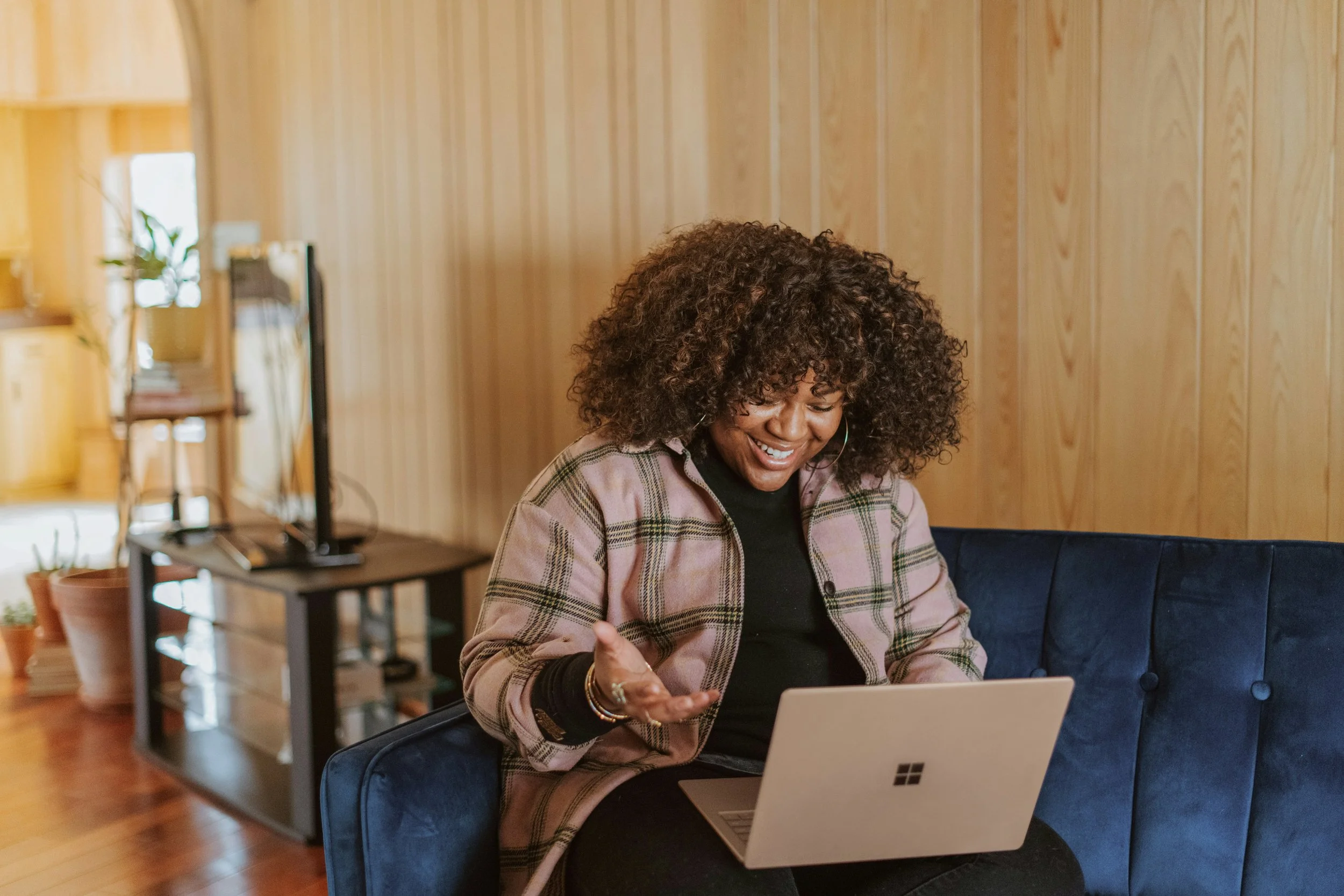
If you've been thinking about starting therapy but keep wondering whether doing it online actually works, you're not alone. It's one of the most common questions I hear, and it's a fair one.
The short answer is yes. Online therapy is genuinely effective. But I also think it's worth understanding why, and what to look for, rather than just taking anyone's word for it.
“Online therapy is genuinely effective, and for a lot of people, it’s actually easier to open up from their own space.”
What does the research actually say?
The evidence base for online therapy has grown significantly over the past decade, and it's held up well. Multiple systematic reviews and clinical trials have found that virtual therapy produces outcomes comparable to in-person therapy for a wide range of concerns, including anxiety, depression, grief, relationship issues, and PTSD.
A 2018 meta-analysis published in the Journal of Anxiety Disorders found no significant difference in outcomes between online and face-to-face CBT for anxiety. Similar findings have been replicated for depression across multiple studies. The American Psychological Association and the Canadian Psychological Association have both affirmed the effectiveness of teletherapy as a legitimate and evidence-based mode of care.
This isn't a pandemic-era workaround that the research caught up to reluctantly. The evidence has been building for years.
But does it work as well for everyone?
Honestly? For most people, yes, and for some people, it works better.
A lot of my clients tell me they find it easier to open up from their own space. There's no commute, no waiting room, no transitional awkwardness of arriving somewhere unfamiliar. You're already in an environment where you feel relatively safe. For people dealing with anxiety or social discomfort, that removes a real barrier before the session even begins.
That said, online therapy isn't the right fit for every situation. If someone is in active crisis or requires a level of in-person support that virtual sessions can't provide, an in-person setting may be more appropriate. A good therapist will tell you honestly if that's the case.
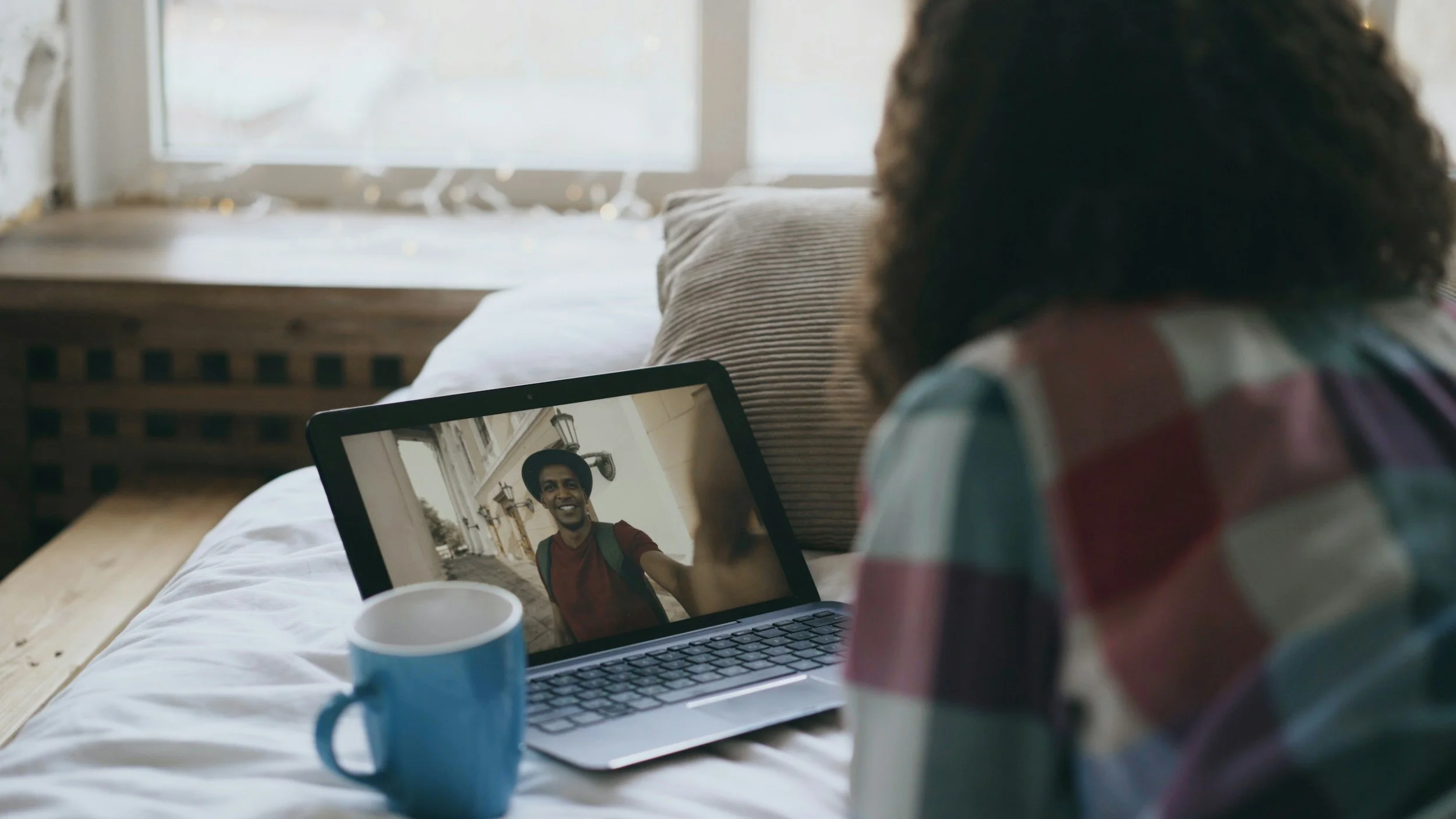
What makes virtual therapy work well?
The research is clear on this: the most important factor in therapy outcomes isn't the format, it's the relationship between therapist and client. What's often called the "therapeutic alliance." When that's strong, therapy tends to work. When it's weak, it tends not to, regardless of whether you're sitting in the same room or connecting over video.
Beyond that, a few practical things make a real difference:
A private, reasonably quiet space where you can speak freely
A reliable internet connection and a device with a working camera
A platform that's secure and encrypted — not a regular video call app
A therapist who is comfortable and experienced with the virtual format
In my practice, I use Jane App, a Canadian healthcare platform that's PIPEDA-compliant and encrypted end-to-end. You'll receive a link before each session. That's it. No downloads.
What about therapy in Spanish — does online work for that too?
Yes, and I'd argue it actually opens up access that didn't exist before for a lot of people. Bilingual clients who want to work in Spanish no longer need to find a Spanish-speaking therapist within driving distance. Virtual practice means you can work with someone who genuinely speaks your language, in both senses of that phrase, regardless of where in BC you live.
I offer sessions in both English and Spanish, and I can tell you from experience that language matters deeply in this work. The words we use to describe our feelings, our families, our fears, they're often more accurate, more nuanced, more felt in the language we grew up with. Online therapy makes that kind of access possible in a way that geography used to prevent.
Is online therapy right for you?
If you're in British Columbia, have a private space to connect from, and are dealing with something that's weighing on you, anxiety, burnout, grief, relationship stress, family complexity, or just a sense that something isn't quite right, then yes, virtual therapy is very likely a viable option.
The best way to find out if it's the right fit with a particular therapist is a free consultation. It's a low-stakes, no-commitment conversation, 20 minutes to ask questions, share a little of what's going on, and get a feel for whether working together makes sense.
“The most important factor in therapy outcomes isn’t the format, it’s the relationship between therapist and client.”
A note from me
I've been offering virtual sessions for some time, and I genuinely love the format. Not because it's convenient, though it is, but because I've seen what it makes possible. Clients who might never have walked into a therapist's office. People in smaller communities across BC who finally have access to care. Bilingual clients who can do this work in the language that feels most like home.
If you've been sitting on the fence about trying therapy, or trying it online, I hope this helps. And if you have more questions, the free consultation is exactly the right place to ask them.
No forms, no pressure. Just a conversation — virtually, across BC.